
W dobie narastających napięć w Europie oraz intensyfikacji działań wojennych za wschodnią granicą, rola krajowego przemysłu zbrojeniowego zyskuje kluczowe znaczenie, a Polska, jako kraj frontowy NATO nie powinna opierać swojego bezpieczeństwa wyłącznie na dostawach zewnętrznych.
Powstanie zakładu w Niewiadowie
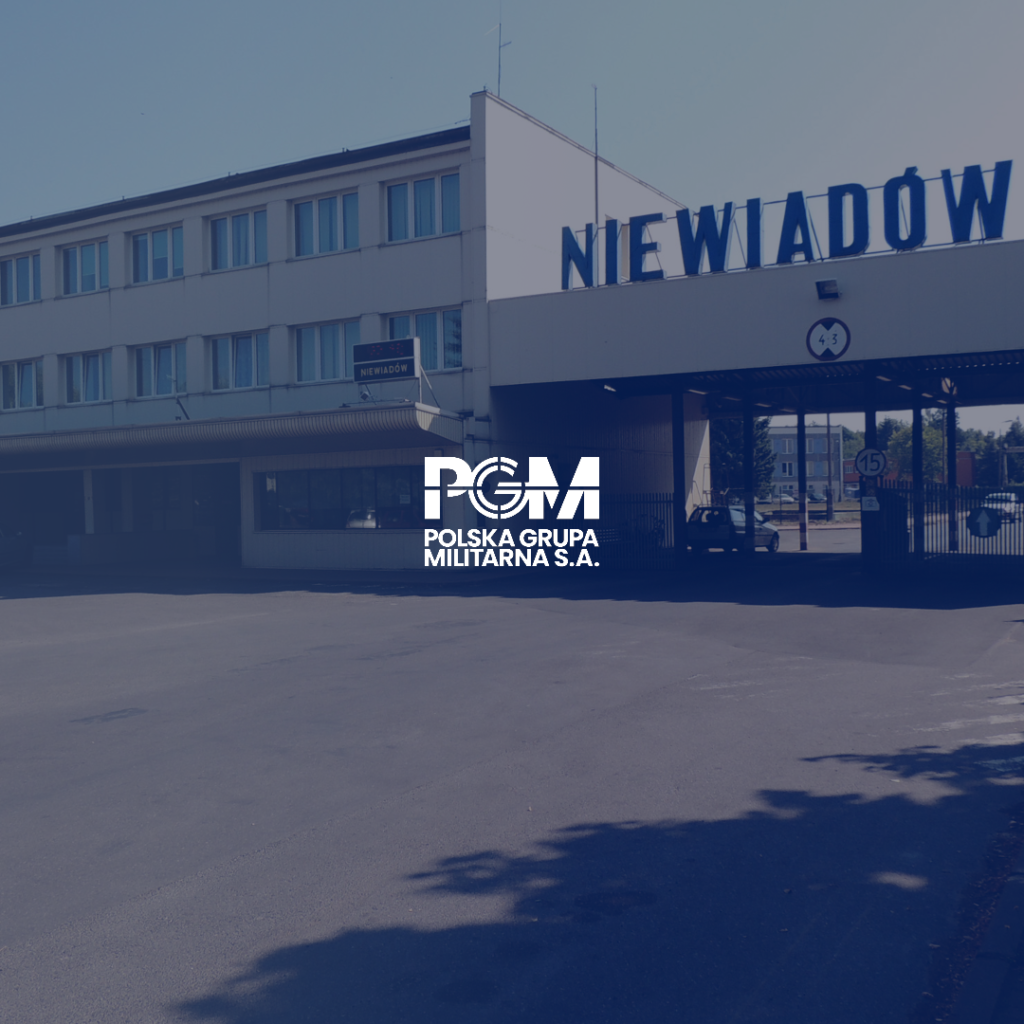
Początki zakładów w Niewiadowie sięgają roku 1920, kiedy to zapadła decyzja o budowie Polskich Zakładów Chemicznych „Nitrat”. Inwestycja była efektem inicjatywy polskich przedsiębiorców, którzy powołali spółkę akcyjną i zlecili budowę włoskiej firmie z siedzibą w Mediolanie.
Fabrykę ukończono w 1923 roku, a jej profil produkcyjny opierał się na wytwarzaniu trotylu oraz nawozu sztucznego – superfosfatu, produkowanego na bazie kwasów powstających w trakcie syntezy materiałów wybuchowych. Korzystna koniunktura gospodarcza lat 20-tych, zapał społeczeństwa do budowy nowej, wolnej Polski oraz nadzieja na długotrwały pokój sprzyjały szybkiemu rozwojowi zakładu i jego znaczeniu w przemyśle chemicznym II Rzeczypospolitej.
Wraz z wybuchem II wojny światowej cały majątek zakładu został przejęty przez okupacyjne władze niemieckie. Niemcy zdemontowali urządzenia produkcyjne i wywieźli je, paraliżując działalność przemysłową zakładów, jednak już w 1942 roku firma „J. Heissner” wznowiła działalność na terenie fabryki, przekształcając ją w zakład zajmujący się rozbrajaniem amunicji pochodzącej z różnych krajów Europy. Wytapiano z niej trotyl do ponownego użycia, co uczyniło z Niewiadowa istotny punkt w niemieckim przemyśle zbrojeniowym.
Historia powojenna
Po zakończeniu wojny, zakłady zostały przejęte przez komunistyczne władze, które z biegiem lat zmieniały profil działalności linii produkcyjnej. Tak w połowie lat 60. Zakłady w Niewiadowie rozpoczęły produkcję zmechanizowanego sprzętu domowego oraz przyczep campingowych i bagażowych, natomiast w latach 70. firma funkcjonowała pod nazwą Zakłady Sprzętu Domowego i Turystycznego – PREDOM PRESPOL
Dopiero w latach 80-tych fabryka przyjęła nazwę Zakłady Sprzętu Precyzyjnego „NIEWIADÓW” S.A. Przełom lat 80. i 90. przyniósł poważne zmiany – decyzje ministerialne o przeniesieniu produkcji wojskowej do innych zakładów spowodowały znaczny spadek wartości produkcji, czego konsekwencją była upadłość spółki w 2011 roku. Mimo tego zakład nie zaprzestał działalności – dzięki skutecznemu zarządzaniu za pośrednictwem syndyka kontynuowano produkcję we wszystkich dotychczasowych obszarach.
Na terenie dawnych zakładów zaczęło również powstawać wiele nowych firm, a – jak można dowiedzieć się z oficjalnej witryny ZSP Niewiadów – zatrudniają one dziś nawet więcej osób niż przed ogłoszeniem upadłości.
Nowy rozdział w historii przedsiębiorstwa rozpoczął się 1 sierpnia 2019 roku, kiedy to katowicka firma WORKS 11 Sp. z o.o. nabyła w przetargu Zorganizowaną Część Przedsiębiorstwa – Produkcję Specjalną, której majątek 30 grudnia 2020 roku został formalnie wniesiony aportem do nowo utworzonej spółki Zakłady Sprzętu Precyzyjnego NIEWIADÓW Sp. z o.o. z siedzibą w Ujeździe.
Spółka kontynuuje tradycje przemysłowe Niewiadowa, posiadając pełną dokumentację techniczną, koncesje i certyfikaty, umożliwiające produkcję wyrobów specjalnych dla Sił Zbrojnych RP – w tym niekierowanych pocisków rakietowych S5, granatów dymnych, imitatorów strzału armatniego, min sygnalizacyjnych, ładunków kumulacyjnych, nabojów termicznych i ćwiczebnych bomb lotniczych.
Polskie potrzeby militarne
Obecny Minister Obrony Narodowej, Władysław Kosiniak-Kamysz już niejednokrotnie wyrażał poparcie dla rozwoju rodzimego przemysłu militarnego, w tym polskiej produkcji amunicji dużego kalibru. W kontekście konfliktu militarnego, nauczone przede wszystkim wojną na Ukrainie europejskie, ale przede polskie władze dostrzegają wagę i użyteczność pocisków artyleryjskich na współczesnym polu bitwy.
Popularna w ostatnich miesiącach stała się wypowiedź Dariusza Łukowskiego, szefa Biura Bezpieczeństwa Narodowego, który otwarcie twierdził, że “obecne zapasy amunicji starczyłyby Polsce na około dwa tygodnie prowadzenia wojny”, a według marcowych statystyk opublikowanych przez redakcję TVN, Ukraina w trakcie walk z Rosją zużywa nawet 10 tysięcy pocisków dziennie.
Potrzeby Rzeczpospolitej mają zostać zrealizowane przez dwie niezależne od siebie inicjatywy: pierwszą z nich są właśnie zakłady w Niewiadowie, będące częścią Grupy Niewiadów, natomiast drugą – konsorcjum PGZ-AMUNICJA, czyli pięć spółek powiązanych z Polską Grupą Zbrojeniową, które zobowiązały się w ramach wartego około 11 miliardów złotych kontraktu do dostarczenia do 2029 roku 300 tysięcy sztuk amunicji artyleryjskiej kalibru 155mm. Warto zauważyć, że liczba odpowiada około 50% rocznej produkcji takich pocisków na potrzeby państw należących do Unii Europejskiej.
Jak wypadają zakłady w Niewiadowie? Według kwietniowych zapowiedzi, produkcja w budowanej już fabryce ma ruszyć w ciągu najbliższego roku i zapewniać docelowo nawet 180 tysięcy pocisków rocznie.
W optymistycznych szacunkach, według których fabryka w Niewiadowie osiągnęłaby pełną funkcjonalność do 2026 roku, natomiast konsorcjum PGZ dostarczyło już wtedy ¼ zakupionych przez Siły Zbrojne RP pocisków, Polska posiadałaby w latach 2026-29 produkcję na poziomie 240 tysięcy pocisków rocznie. Jest to niewątpliwie krok w dobrą stronę, jednak nie powinien on być ostatnim. Według wcześniej przytaczanych szacunków, Rosja – najczęściej wymieniana jako potencjalny rywal Europy w konflikcie – posiada możliwości produkcyjne wynoszące nawet cztery i pół miliona pocisków rocznie.
Z drugiej strony, pełniący obecnie funkcję Dyrektora Zakładów Sprzętu Precyzyjnego “Niewiadów” Dariusz Szlafka (pracujący wcześniej między innymi dla PGZ) wskazywał niedawno na trudności w uzyskaniu dofinansowań i rządowych kontraktów, w związku z czym zakład podjął decyzję o rozpoczęciu podwykonawczej produkcji amunicji moździerzowej 60,7 mm dla firm ze Słowacji. Ma ona rozpocząć się już w czerwcu.
Polska Grupa Militarna i Grupa Niewiadów
Połączenie Grupy Niewiadów z Polską Grupą Militarną stanowi krok milowy w kierunku konsolidacji krajowego przemysłu obronnego. Celem tego połączenia jest nie tylko zapewnienie dostępu do nowych źródeł finansowania, ale przede wszystkim stworzenie silnego, komplementarnego zaplecza produkcyjnego dla Wojska Polskiego, opartego o nowoczesne, elastyczne i wyspecjalizowane zakłady. Grupa Niewiadów, z doświadczeniem w precyzyjnej produkcji i infrastrukturą gotową do realizacji kontraktów zbrojeniowych, stanowi idealne rozwiązanie dla obecnych potrzeb zbrojeniowych w Polsce.
Wspólne działania Niewiadowa i Polskiej Grupy Militarnej dają nadzieję na obniżenie kosztów jednostkowych, szybsze skalowanie produkcji oraz ułatwienie w dostępie do zagranicznych rynków, w tym krajów NATO i partnerów spoza Unii Europejskiej.
Źródła
- ft.com: Poland struggles to re-arm for new era of war on its borders
- konkret24.pl: „Polska nie produkuje amunicji”? Jest pewien problem
- pl.wikipedia.org: Zakłady Sprzętu Precyzyjnego „Niewiadów”
- salon24.pl: Polskie Zakłady Chemiczne „Nitrat” SA
- xyz.pl: Producent amunicji chce wejść na GPW. Niewiadów negocjuje przejęcie Polskiej Grupy Militarnej