
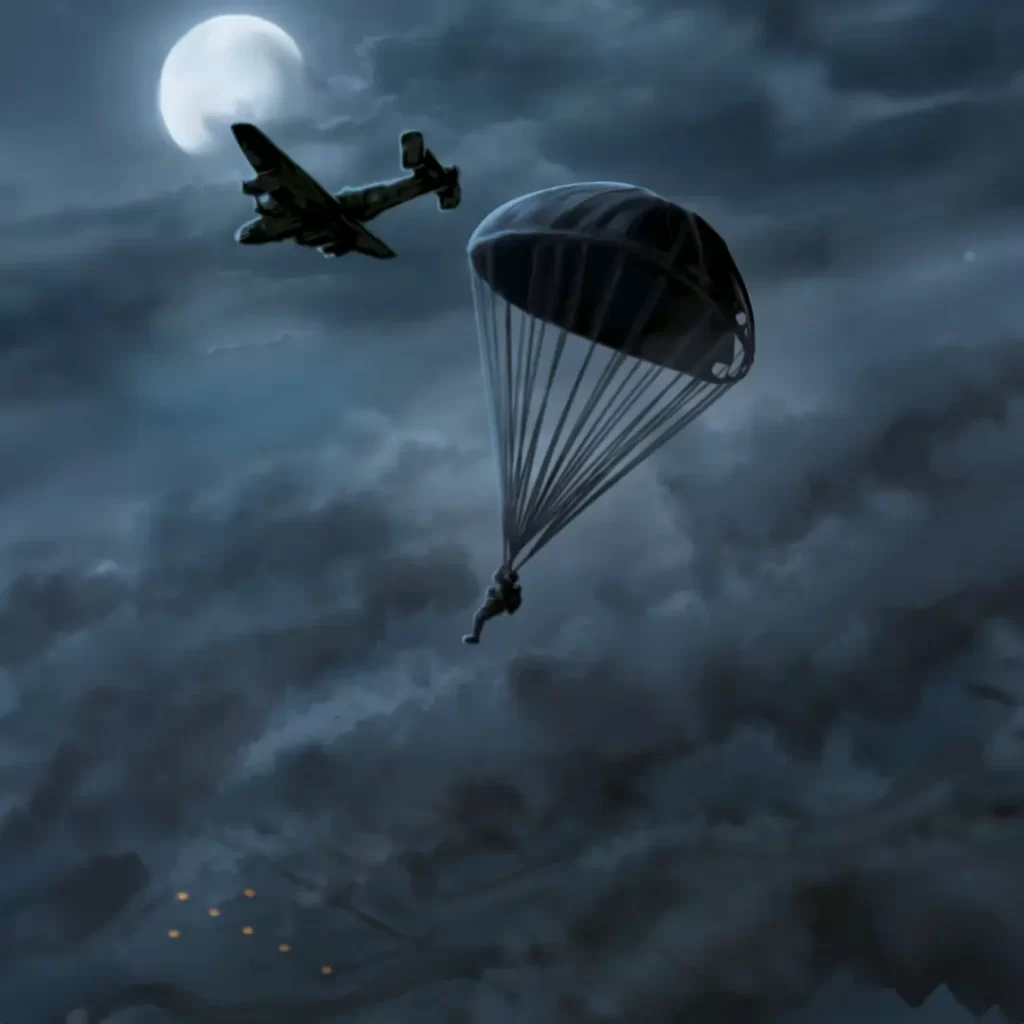
Z okazji 80. rocznicy wybuchu Powstania Warszawskiego Polska Grupa Militarna postanowiła sprawdzić jak dobrze Polacy znają swoją historię, zwłaszcza tą związaną z II Wojną Światową. Okazuje się, że mamy spore braki, które warto uzupełnić. W badaniu* zapytano Polaków m.in. o to, z czym kojarzy im się nazwa Cichociemni i zaledwie 10% znało prawidłową odpowiedź! PGM chce to zmienić nagłaśniając wyniki badania i edukując na temat ważnych, choć jak widać wciąż nie do końca znanych, bohaterów Powstania Warszawskiego – czyli właśnie Cichociemnych. W planach ma wydanie kolekcjonerskiej, limitowanej serii karabinka typu AR dedykowanego pamięci bohaterów.
Polacy nie znają swojej historii!
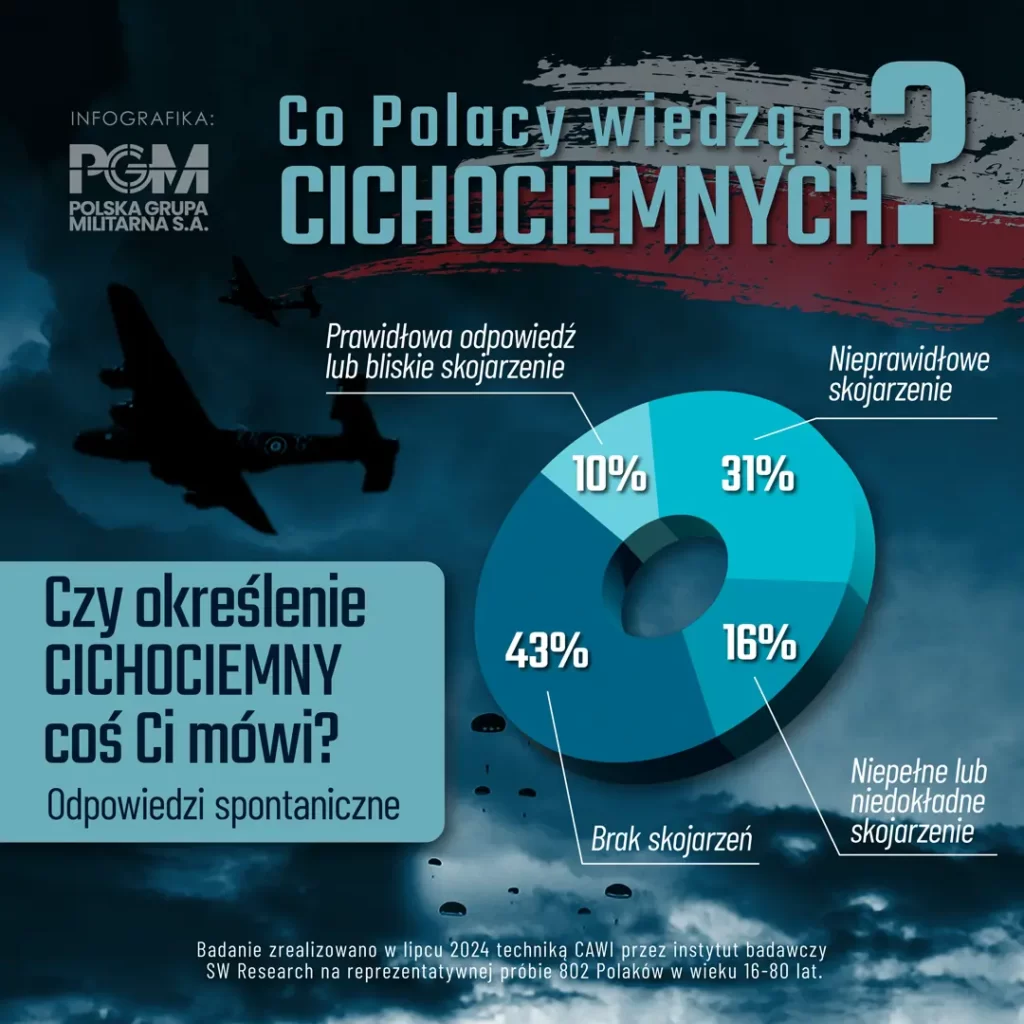
Jak wynika z badań* zrealizowanych w lipcu 2024 przez SW Research na zlecenie Polskiej Grupy Militarnej (PGM), aż 43% Polaków nazwy Cichociemni nie kojarzy z niczym szczególnym. Zaledwie 10% spontanicznie udziela prawidłowej odpowiedzi, że za nazwą tą kryje się elitarna grupa polskich żołnierzy, których w trakcie II Wojny Światowej szkolono w Wielkiej Brytanii do zadań specjalnych, w tym działań wywiadu, sabotażu, łączności i prowadzenia działań partyzanckich. Żołnierzy tych desantowano na teren okupowanej Polski na spadochronach i to oni właśnie odegrali ważną rolę w trakcie Powstania Warszawskiego walcząc na ulicach powstańczej Warszawy, ale także działając w strukturach dowództwa Powstania Warszawskiego.
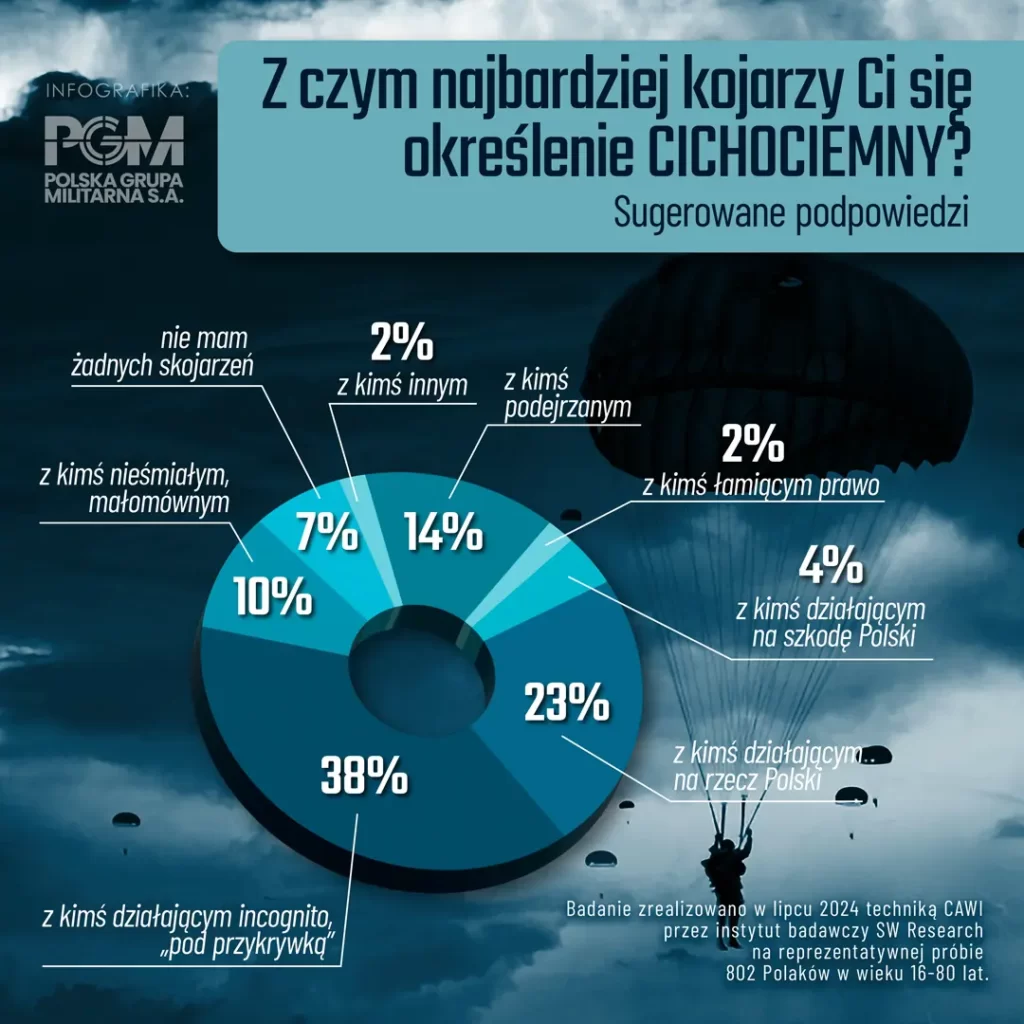
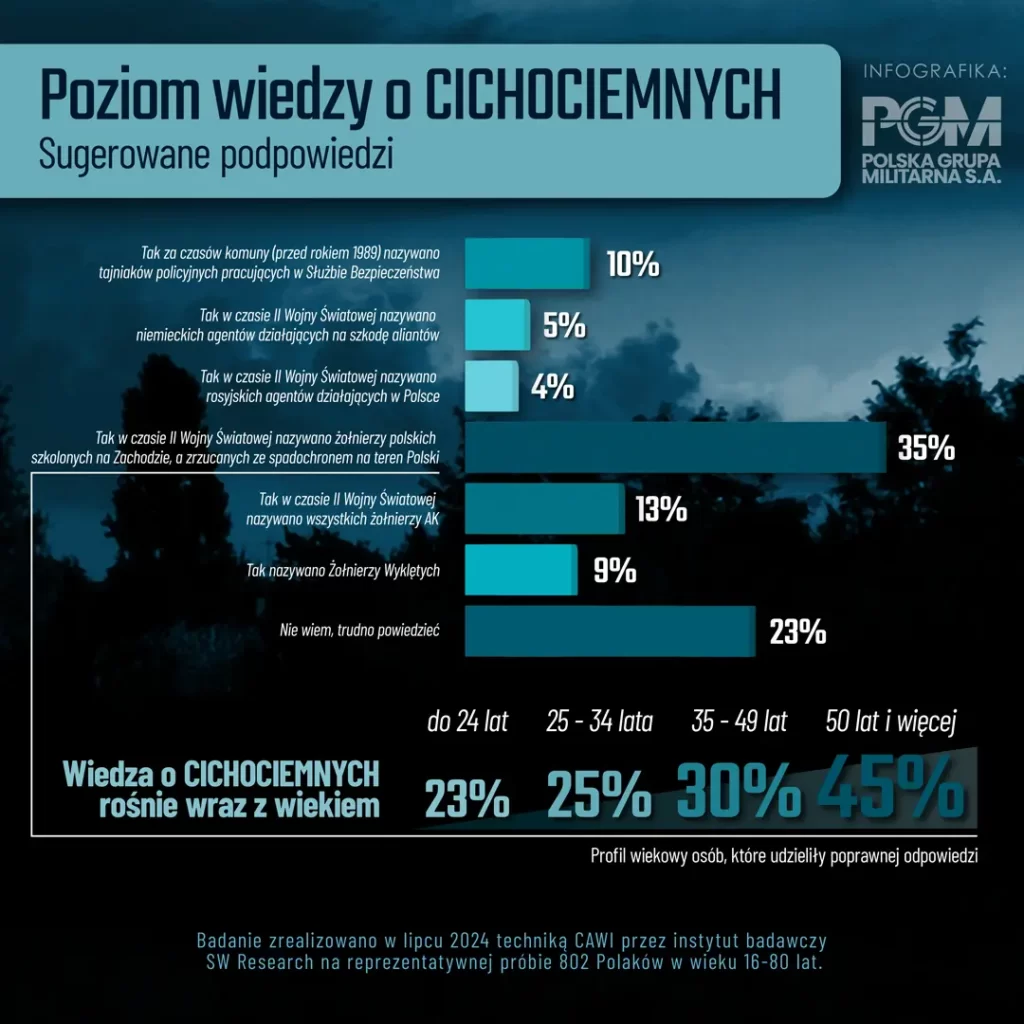
„Przeprowadzone na nasze zlecenie badanie wykazało, że aż 14% Polaków Cichociemnych kojarzy raczej z kimś podejrzanym a 10% uważa, że tak za czasów komuny nazywano tajniaków policyjnych pracujących w Służbach Bezpieczeństwa. 9% mylnie zakłada, że jest to inna nazwa dla Żołnierzy Wyklętych, a 5% uważa, że tak w czasie II Wojny Światowej nazywano niemieckich agentów działających na szkodę aliantów” – komentują Marek Tomkiewicz i Piotr Gniadek, współzałożyciele PGM i potomkowie żołnierza AK, który walczył w Powstaniu i stał się dla nich wzorem do naśladowania.
Spadkobiercy Cichociemnych i historycy łapią się za głowę
Dla miłośników historii te wyniki są zatrważające, prawda bowiem o Cichociemnych jest zupełnie inna. „Cichociemni, czyli elita polskich żołnierzy z czasów II Wojny Światowej, szkolona była w Wielkiej Brytanii, by następnie, po zrzuceniu na spadochronie na teren okupowanej Polski, podejmować się najtrudniejszych działań dywersyjnych wobec wroga” – tłumaczy Marcin Krajewski, były operator zespołu bojowego jednostki wojskowej GROM, która uważa się za spadkobierców idei Cichociemnych. „Pierwsze zrzuty nastąpiły już w roku 1941, jednak to Powstanie Warszawskie było największą bitwą stoczoną przez żołnierzy AK z tej tajnej formacji” – dodaje Krajewski.
Cichociemni - zbyt mało się o nich mówi
Cichociemni, jako formacja elitarna, ale jednak tajna, nie posługiwali się określonym, wyróżniającym umundurowaniem czy insygniami. Pamięć o nich przekazywana jest zatem głównie przydomkiem, który przylgnął do nich nie tylko przez wzgląd na sposób działania (w nocy, po cichu i z zaskoczenia), ale także dzięki nazwie, która pojawiła się po raz pierwszy w instrukcji szkoleniowej Oddziału VI Sztabu Naczelnego Wodza z września 1941. Cichociemni nie mieli też określonego modelu broni, którym by się posługiwali. Natomiast musiała ona działać szybko i niezawodnie i nie być zbyt ciężka, bo żołnierze musieli z nią przemierzać wiele kilometrów, często w trudnych warunkach.
„W zespole PGM są też osoby, które w przeszłości związane były zawodowo z wojskowością. Rozmawiając o historii, którą się pasjonujemy, zadaliśmy sobie pytanie, jak dziś mogłaby wyglądać broń Cichociemnych. To zainspirowało nas do tego, by upamiętnić ich bohaterskie czyny tworząc limitowaną, kolekcjonerską serię karabinku AR, który już wkrótce zaprezentujemy na XXXII Międzynarodowym Salonie Przemysłu Obronnego MSPO, który odbędzie się we wrześniu w Kielcach” – podsumowuje Radomir Woźniak, prezes zarządu Polskiej Grupy Militarnej i dodaje: „Seria liczyć sobie będzie jedynie 80 sztuk, czyli tyle ile lat minęło od wybuchu Powstania Warszawskiego, a grawery na niej staną się nośnikiem historii, która jak widać z naszych badań wymaga odświeżenia”.